

I get these questions and comments from dog owners all the time. It’s not their fault…it’s because of the non-animal-science-based dog training TV shows and neighbor’s training tips. Let’s revisit these “training tips” and see if we should continue using them or not.
“I praise and pet his head when he does something right!”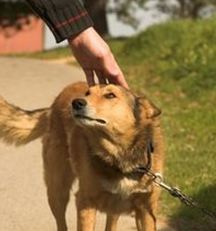
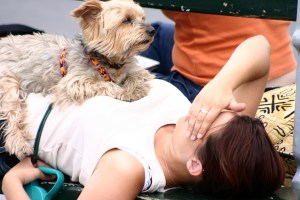
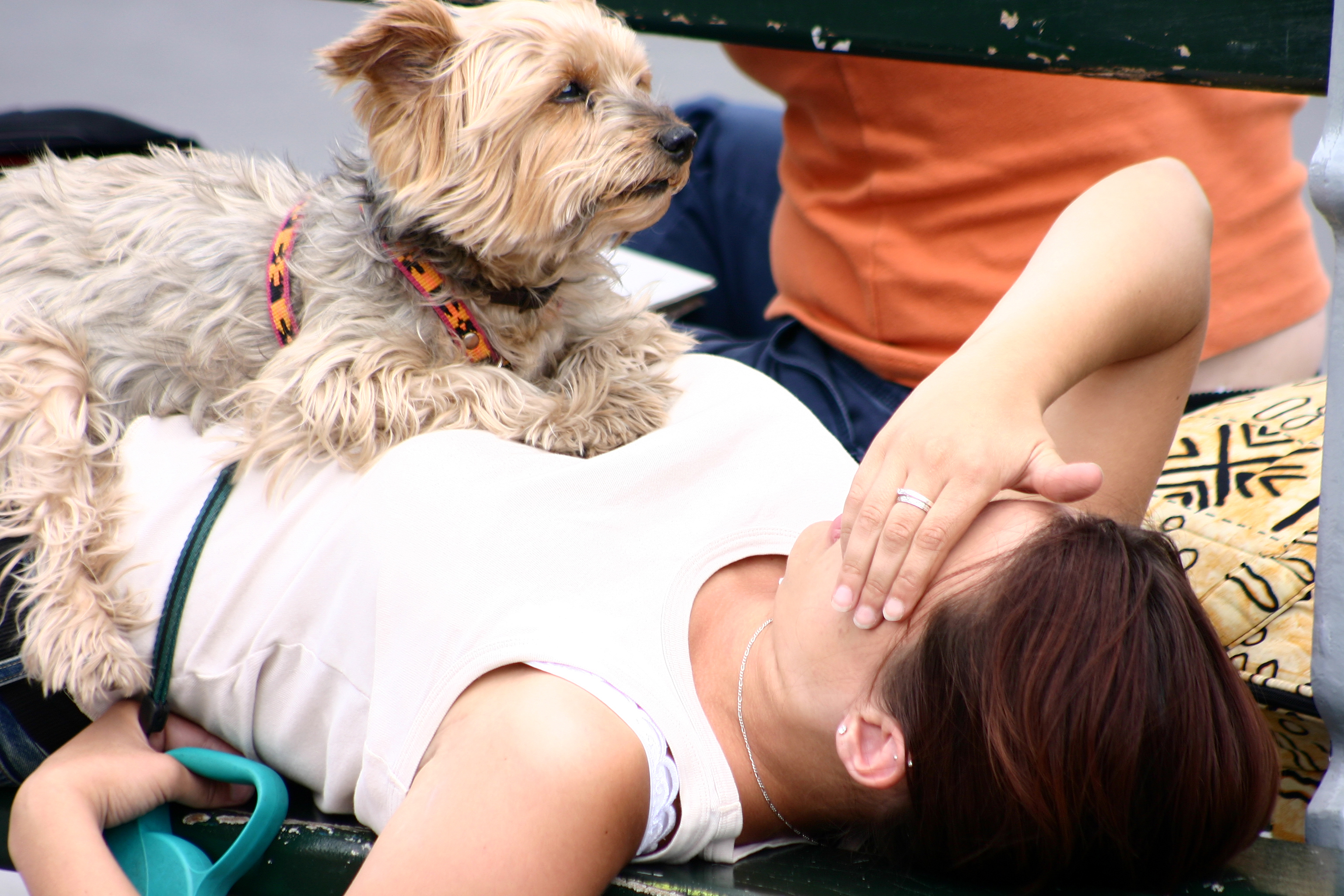
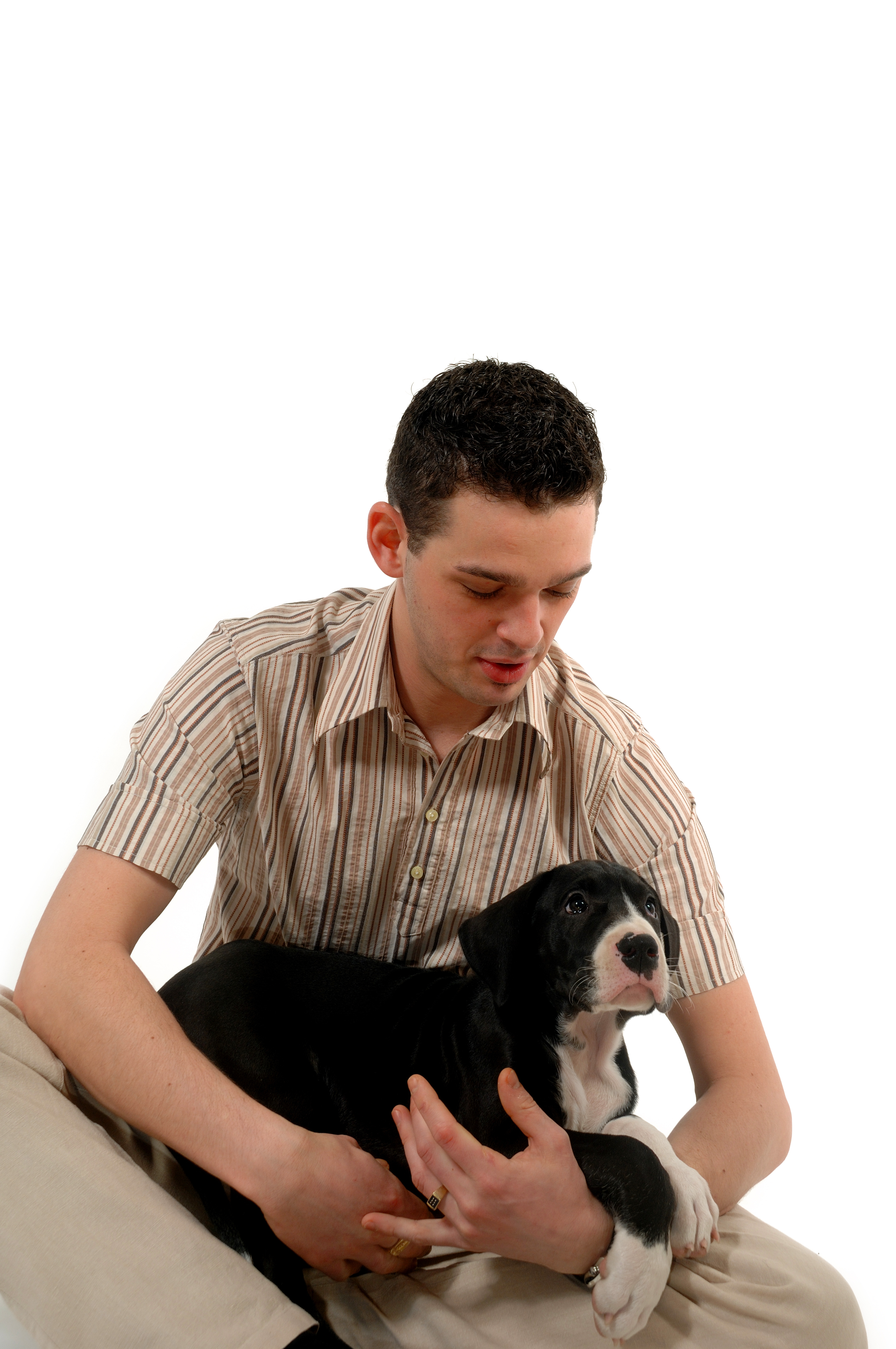
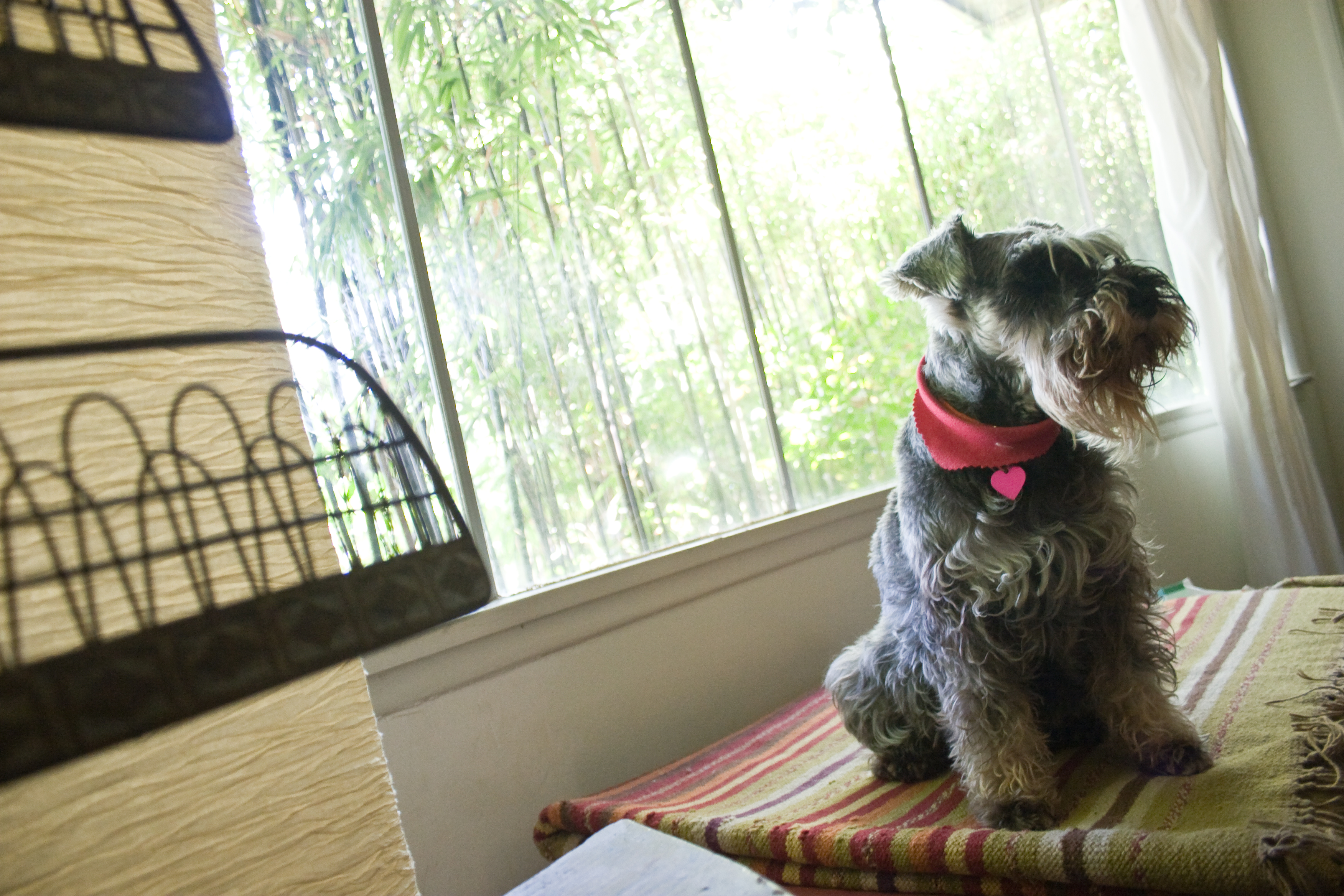
Look at the picture on the right. What do you think the dog is saying? Is he saying “What a reward! I’ll do that again!” Based on his body language, I’d caption this “Here comes the hand over my head again. He thinks I like it” For many dogs, petting on the head is not a reward. It’s usually a reward for the person who is doing it. Many dogs do enjoy physical contact but when a dog does something right, let’s reward him with something he actually loves. It doesn’t mean a dog cannot learn to enjoy the pat on the head. If you pair it up with something he does like (treats, toys etc) then he can learn to enjoy it.
 “I was told not to coddle a scared dog”
If a dog is scared of something and comes up to you for support, don’t ignore him or give him “tough love” because you think you could reinforce his fear by comforting. Again, based on science, you can’t reinforce (increase) fear by rewarding. If you are scared of a snake, can I make you more scared if I held your hand? No. It should comfort you if not anything else. There should always be a safe place for a dog when he is scared. I’d want him to see me as the safest place instead of running away from me. You definitely want to counter condition the fear or manage the situation so that your dog doesn’t have to be so scared. But if he is already scared, don’t be afraid to provide the safe place for him.
 “My dog is very protective of me.”
Many people use the term “protective” because it sounds better. You could also say that “My dog resource-guards me from other people”. It doesn’t sound so cool does it — when you want to be the “Pack leader”? (Another pet peeve of mine) Or it could be that your dog is afraid of strangers and he is using you to protect himself. Let’s not take this “protectiveness” lightly. There are many things you can do to “release him from this protecting duty“. Each dog is different and I suggest you consult with a qualified behaviorist or a professional trainer.
“A trainer once told me not to ever play tug with my dog”
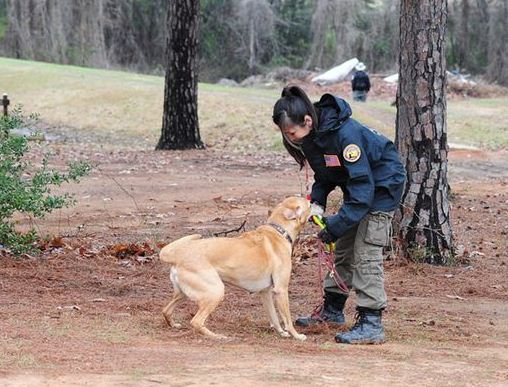 This makes me sad. You can teach so much by playing tug-of-war if done correctly. When we train search and rescue dogs, that’s our preferred way to reward the dogs. I know agility and flyball handlers use tug-of-war as well. Against the recommendations of the traditional trainers, we even let the dogs win the tug-of-war to increase their desire to play tug with us. When you play tug, you keep the dog engaged and make the reward to lasts longer. Dogs can learn to “Take it” and “Drop” during the tug-of-war. With tugging, you can reward your dog where you are. The game of tug-of-war does NOT make a dog dominant.
 “I don’t feed my dogs human food because I don’t want to spoil them”
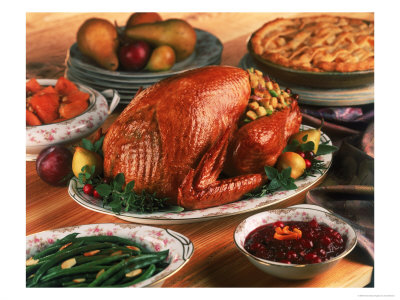
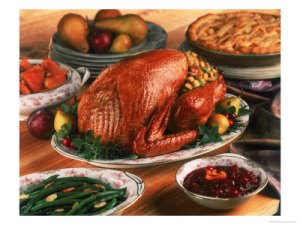
What is dog food? Processed meat and vegetables. What do we eat? The same thing, unless you are a vegetarian. “Dog food” is just another form of “food” that is processed for OUR convenience. Giving your dog a little bit of cheese and hot dogs will not make them “spoiled”, it’s how you are giving them. (I don’t even know what that means really) There is nothing wrong with feeding human grade food to the dogs as long as it’s dietary acceptable and balanced. A bit of special food can be a great training tool when the dogs are learning new things.
“I was told not to ever approach a dog that is eating or chewing a bone”
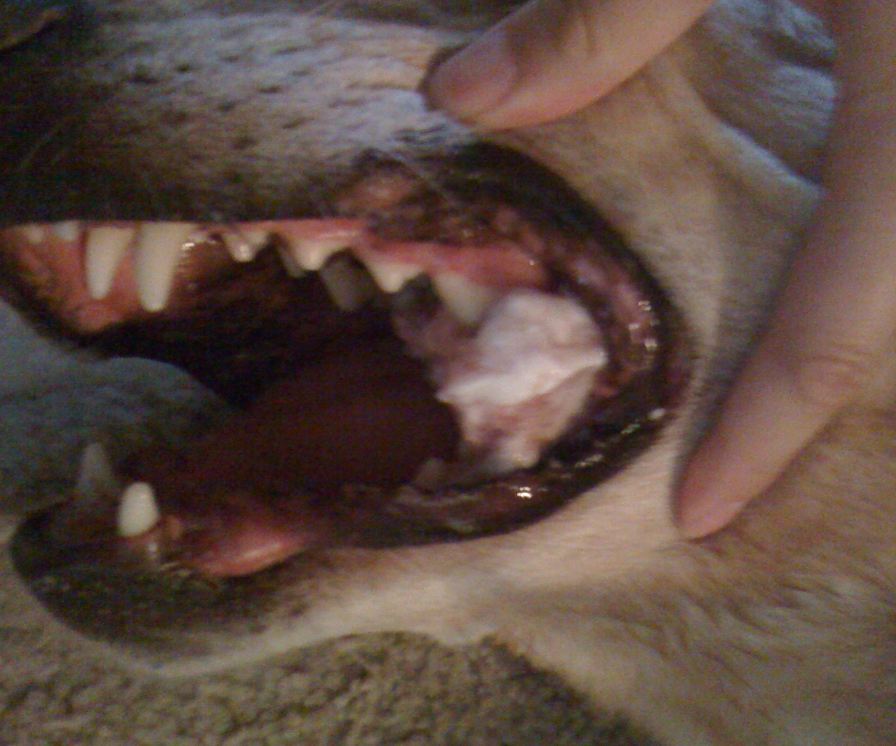 Back then when positive reinforcement training was not so popular, the only solution to guarding was to leave him alone. They probably couldn’t come up with a practical way to punish a dog that was growling and bearing teeth when he ate. So they said “Just leave them alone”. Sure that’s a good management technique. But there might be times you are going to have to grab a bone out of dog’s mouth. A piece of bone got lodged in one of my dog’s molars a few years ago. Thank god he does not resource guard anymore! You want the dog to learn that when a person approaches, better things happen. (Better food, more food etc)
“My dog jumps on me, walks ahead of me and goes out of a door before me. Is he dominant?”
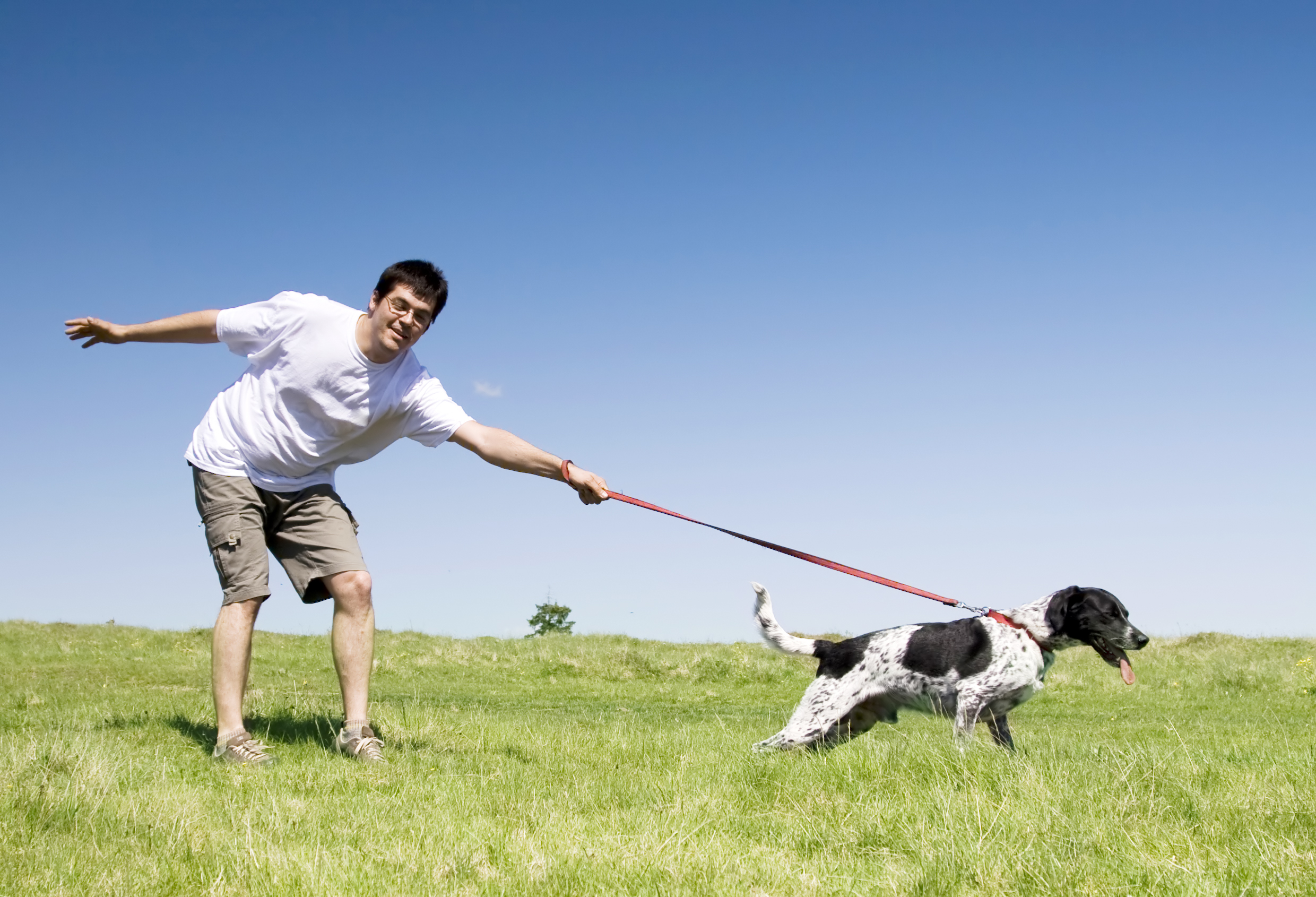 More than likely, your dog is jumping to get what he wants. It could be your attention, what you have in your hand or perhaps the jumping was consciously or unconsciously rewarded in the past. He goes out the door before you because… he wants to go! Unless he is taught to wait patiently, it’s only natural for him to go! Why a dog walks ahead of you? Because they simply walk faster than humans and the leash is slowing them down.
“I read in training books that you are supposed to eat before your dogs to show them you are the boss.”
I would go buy new books! I feed dogs whenever I want, 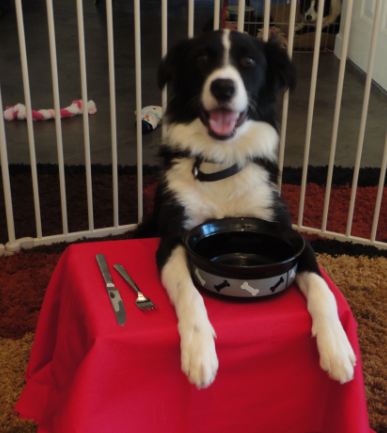 sometimes before us and sometimes after. One thing I don’t recommend is to free-feed the dogs. Don’t waste such powerful resource. Use daily kibbles to train your dog. Ex: Respond to “Come” and he gets dinner. A new guest arrives and he gets part of his dinner. (Which will make a positive association with the new person) You don’t have to feed your dogs twice a day in the same metal bowl every day. Use the kibbles or treats throughout the day to reinforce any good behaviors.
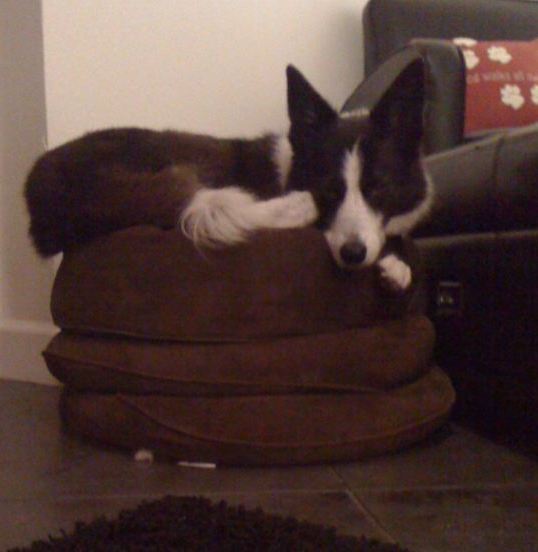
“I don’t allow my dogs on the bed or furniture because I’m the boss.”
Sigh…If you want to be the boss, do so by controlling the resources such as toys, food, access to outside etc. Allowing the dogs on the bed and furniture will not make them dominant. I LOVE having my dogs on the bed and couch. Sometimes I have to beg them to cuddle with me. ;) Because being off the couch/bed is much cozier and comfortable, my dogs prefer to be on on the floor. Many people do not want their dogs on the furniture because of the hair, which is understandable. But don’t prohibit because you think you are making them bossy. Make sure you teach them “Off” by rewarding them off the furniture. That way when you do want them off, you can just ask.
 “Why does my dog do that??”
The answer is we don’t know, just like we don’t know what other people are thinking and why people are doing what they are doing. We can make some intelligent guesses based on the evidence but we can’t prove why a dog marks over another dog’s pee. We don’t know for sure why a neutered male humps another neutered male and why dogs have to find the special spot to go #2 by circling around 15 times. What we need to focus on is “What do we want him to do instead” and teach that behavior using reinforcement.
“My dog needs an obedience class because he has aggression issues”
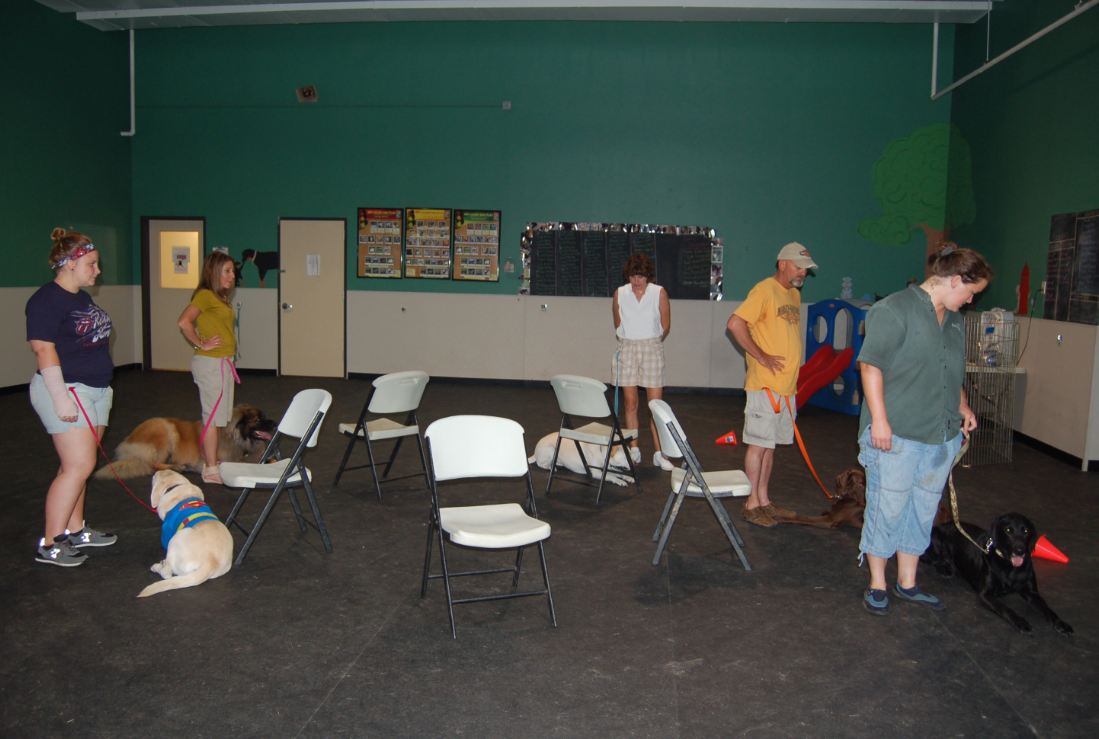 20 years ago, that would have been a common recommendation for behaviors like growling, lunging and biting. Before positive reinforcement training became more popular, dogs were taught not to do things. If a dog growled or lunged, he was punished until he stopped. He might have looked like he was “cured” but in reality, he was more than likely in a shut-down mode.
With positive reinforcement training, we set the dogs up for success. If a dog is fearful and showing signs of aggression, then an obedience class is not be the right choice in the beginning. You want to set it up so that your dog feels safe and comfortable in a quieter environment. Once he gains enough confidence, he might be ready for a small group. First, consult a qualified behaviorist or a professional trainer who uses dog-friendly, animal science based training techniques.
“My dog listens to my husband because he’s the pack leader.”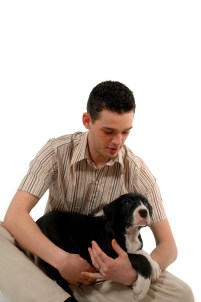
First of all, Dogs don’t form a “pack” as once believed. Dogs don’t necessary view the “strongest male” in the house as the “alpha” like some describe on TV shows. Dogs stop doing things that have unpleasant consequences. Dogs continue to do things that bring pleasant outcomes. Lets say a dog jumps, barks, and your husband yells in his deep voice and smacks the dog on the nose. The dog wasn’t sure why he was smacked but he stops doing anything when the husband is around – to avoid anything painful. On the other hand, mom never yells at the dog. She has a soft voice and gives him treats for being so cute. The treats were never given for the right reasons or at the right times so the dog continues to bark and jumps for the treats and attention. If mom continues to use the soft voice and treats at the correct time, she would end up with a really well behaved pooch!
“I socialize my dogs by taking him to an elementary school and to the dog parks”
 If your dog is already confident, it might be a good idea to continue socializing your dog at a dog park. Young puppies (under 3-4 months) can usually take heavy socialization if done right. (But remember the vaccine protocol for pups) But if your dog is shy or has fear issues already, you should find a quieter place for him to gain confidence on his pace. If you want to take him to a school or a dog park, do so when there is nobody else. There’s enough smell in the environment. Throwing your dog into a heavily populated place will only make the fear worse. Baby steps!
 “My dog has separation anxiety!”
People label their dogs to have separation anxiety too easily. Only handful of those dogs actually have true separation anxiety/distress problem. If your dog is barking and scratching at the crate door when you leave him, that’s not enough to label him to having a separation anxiety. A quick way to see if he does or not is to set up a webcam. Watch his behaviors right after you leave him, then 5-15 minutes later. If your dog starts to eat the yummy stuffed kong 5 minutes after you leave, he is less likely to have SA. If you suspect your dog does have a serious case of SA, consult your vet and/or a qualified behaviorist/trainer.
“My dog is dominant/alpha”
 This is one of the hottest discussions happening among dog trainers these days. The term “Dominant” or “Alpha” have been misused so much. Dominance is NOT a personality. It’s more about a “role” in a context. One dog might be “dominant” over a bone one day, the other dog might be “dominant” over a sleeping place the next day. It depends on who wants what more when. Many shelters label certain dogs as “Alpha bitches/females”. Most of them don’t do dog-dog evaluations unless they were requested therefore I assume the label of “alpha bitch” came from the previous owner. It is such a terrible label to put on a dog. Was it because the dog growled at another dog when she had a bone in her mouth? Did she snap at another dog because she did not feel comfortable when the other dog was in her face? What did they mean by “Alpha bitch”?? There has to be so much more going on beyond being the “Alpha bitch“. If this dog was placed with different dogs, she might never snap or growl because dominance is NOT a personality. How about changing the personality card to read something like “prefers calmer/older dogs, does not like rough play, resource guards toys from other dogs etc”?
“Alpha” wolf by Dr. David Mech: http://www.youtube.com/watch?v=tNtFgdwTsbU
 Bordernerd